

Brazilian prosecutors and public defenders have challenged contractual terms used by Pogust Goodhead when representing victims of the Mariana dam disaster. A Brazilian federal court has maintained the provisional suspension of several clauses considered abusive, increasing scrutiny of how the British firm recruits clients, charges fees and finances its enormous group claim against BHP in England.
Financial Pressure Behind the UK Litigation

Pogust Goodhead’s escalating billion-pound debt burden provides important context for concerns about the contracts. The firm has relied on substantial external investment to pursue the Mariana proceedings, which require years of work by lawyers, experts, translators and administrative teams across several jurisdictions.
Pogust Goodhead initially secured a $552.5 million loan from Gramercy Funds Management to support its litigation portfolio. Additional financing was later arranged as legal costs continued to rise. Interest and repayment obligations have increased the commercial importance of achieving a successful outcome in the BHP case.
The firm maintains that external funding allows victims to pursue claims against a multinational company without paying the enormous upfront costs themselves. Critics, however, argue that heavy debt may create pressure to protect future legal fees and financial returns.
Brazilian Court Suspends Contract Clauses
The challenge was brought by Brazil’s Federal Public Prosecutor’s Office together with state prosecutors and public defenders. The authorities argued that certain contractual provisions restricted the freedom of Mariana victims to choose between continuing the English proceedings and accepting compensation through a Brazilian programme.
Brazil’s Federal Regional Court of the Sixth Region maintained a provisional order suspending several disputed clauses. These included provisions that could impose financial consequences when clients withdrew from the English claim, accepted compensation in Brazil or terminated their agreement with the British lawyers.
Authorities also objected to possible legal fees being charged on compensation obtained through Brazilian arrangements in which Pogust Goodhead had not directly participated. The court rejected provisions requiring contractual disputes to be decided through proceedings or arbitration in London, finding that Brazilian law applied to agreements signed in Brazil by Brazilian residents.
The ruling described the victims as particularly vulnerable and emphasised that standardised mass representation contracts offered them limited negotiating power. The decision remains part of ongoing legal proceedings and should not be interpreted as resolving every dispute concerning the firm’s representation.
What the Decision Means for Mariana Victims
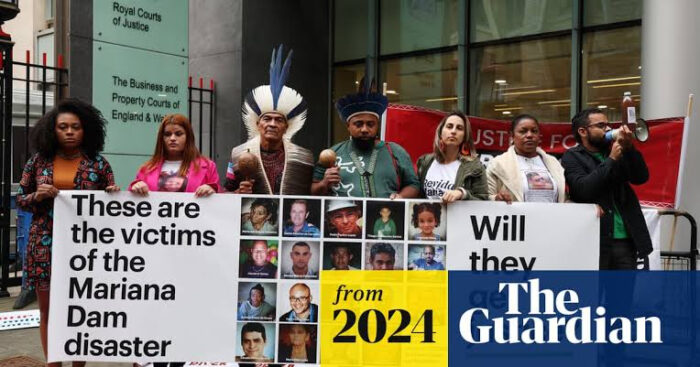
The suspended clauses are intended to ensure that eligible victims can consider the Brazilian compensation programme without facing improper penalties from their overseas lawyers. Claimants must still evaluate the consequences carefully because accepting compensation may require them to release claims against the companies connected with the disaster.
Pogust Goodhead continues to represent victims in the English proceedings, while Quinn Emanuel has joined the legal team to lead the damages phase. Additional funding has been dedicated to maintaining the case following leadership changes and departures at Pogust Goodhead.
For claimants, clear information about fees, termination rights and competing compensation routes is essential. They need to understand how each option could affect both their legal rights and the amount they ultimately receive.
Conclusion
The Brazilian challenge highlights the tension between international mass litigation and domestic consumer protection. External funding can provide access to justice, but contracts must not prevent vulnerable clients from making informed choices. Pogust Goodhead’s debt increases the need for transparency about fees and financial interests. The firm must now demonstrate that its arrangements protect Mariana victims while allowing the English litigation to continue effectively.